
I’ve spent more than a decade working hands-on in the tree industry across the Sunshine Coast, and my understanding of what good Tree Services actually look like has changed a lot over that time. Early on, I thought the work was mostly about equipment and technique. Experience taught me otherwise. The real value is in judgment—knowing when to act, when to hold back, and how local conditions quietly shape every decision you make.For more info visit our website.
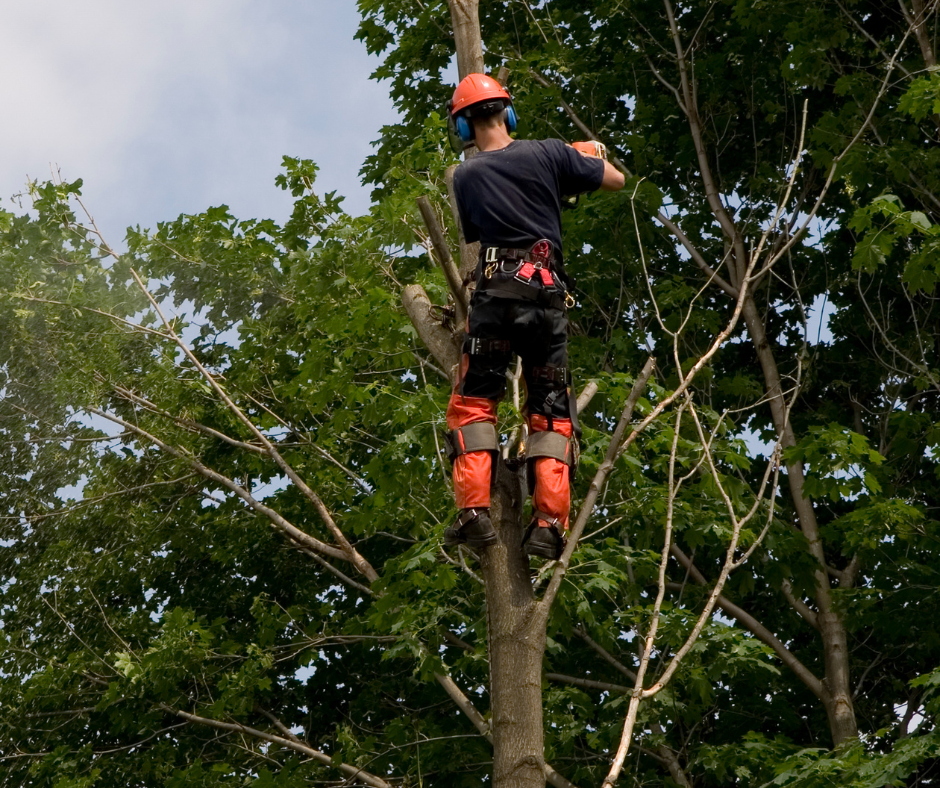
One of the first lessons I learned came from a routine call-out that didn’t feel routine once I arrived. A homeowner wanted a quick prune because branches were brushing the roof. On the surface, it looked straightforward. But after walking the block, I noticed the tree was compensating for past storm damage with uneven growth. Cutting it back evenly would have made it more unstable, not safer. We adjusted only the problem limbs and left the rest alone. Months later, after a rough storm, that tree held firm while others nearby didn’t. Jobs like that teach you to slow down and really read what’s in front of you.
I’ve also seen what happens when tree services are treated like a commodity rather than a skilled trade. I was once called to inspect a tree that had been aggressively cut by another crew just weeks earlier. Large wounds were left exposed, and the canopy was stripped unevenly. The homeowner thought they were being proactive. In reality, the work had triggered weak regrowth and accelerated decay. Fixing that kind of damage is far harder than preventing it in the first place, and sometimes the window to correct it is short.
Buderim and the surrounding areas add their own complications. Sloping blocks, mixed soil types, and mature trees planted long before modern building standards all affect outcomes. I’ve worked on properties where drainage patterns alone made the difference between a stable tree and one that needed intervention. Those details don’t show up in a quote or a quick visual check, but they matter. Ignoring them is one of the most common mistakes I see.
Another misconception I run into is the idea that more work equals better care. I’ve advised against unnecessary pruning plenty of times, even when it meant walking away from a bigger job. Trees don’t benefit from constant interference. In my experience, thoughtful timing and restraint often lead to healthier outcomes than frequent cutting. The goal should always be long-term stability, not short-term neatness.
After years in this field, my perspective is fairly settled. Good tree services aren’t about doing everything that’s possible—they’re about doing what’s appropriate for the tree, the site, and the conditions it has to live in. When those factors are respected, trees tend to look after themselves, and problems become far less common.